
Gauteng laser branch
Fiber laser cutting paths for South African plants
Laser cutting systems for sheet metal cells, training, and spare packs.

Catalogue
Cutters

Sheet Cutter
For a sheet cutter in a South African plant, start with the plate range you cut most, such as mild steel, stainless, or aluminium. Set gas, pierce height, and lead-ins to suit the common thicknesses on your nesting schedule. In Gauteng shops, check extraction and rail cleanliness often because dry dust can mark motion parts and affect edge quality.

Tube Cell
A tube cell needs material rules that match the sections coming through the bay, from round tube to square and rectangular profiles. Chuck grip, support alignment, and cut sequence matter when thin-wall tube can move during piercing. Where mixed production runs are common, label profile sizes clearly so setup errors do not carry into the next batch.

Exchange Table
With an exchange table, plan loading and unloading around the nesting order, crane access, and scrap bin position. Plate size, remnant handling, and pallet condition all influence changeover rhythm on a busy laser line. If supply dips are part of the site routine, keep the chiller and compressor windows visible to production and maintenance teams.

Nesting Pack
A nesting pack should reflect your usual sheet sizes, material grades, and the part families cut each shift. Common line settings, micro-joints, and grain direction can change how parts release and how much cleanup follows at bending. On repeat work, keep revision control tight so the operator is not cutting an old nest from the wrong folder.
Nozzle Kit
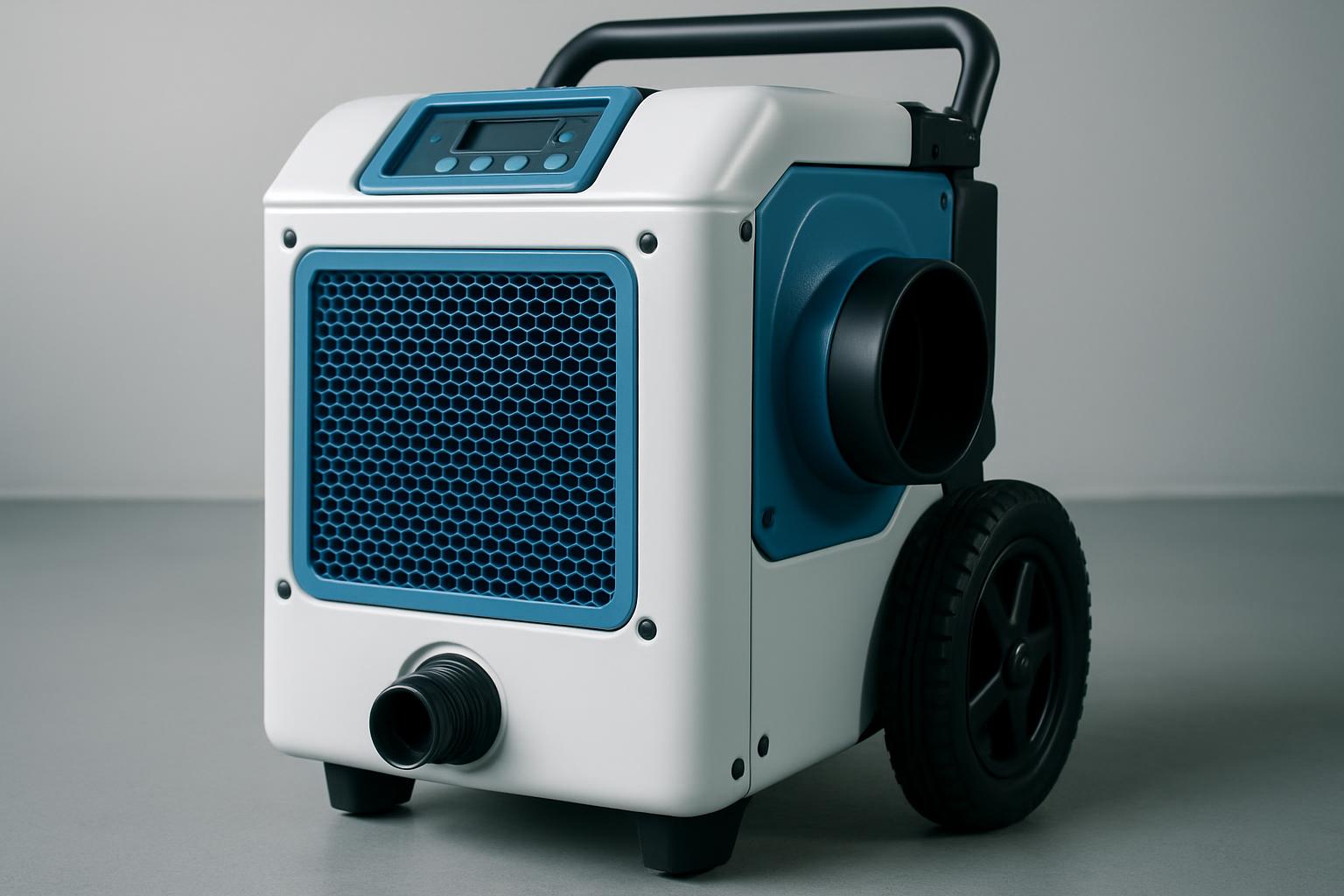
A nozzle kit belongs to the actual cut mix on site, not a generic spares shelf. Match nozzle diameter and condition to assist gas choice, material type, and thin or thick plate work. Before fitting a replacement, inspect centring and splashback marks because poor gas flow shows up quickly on pierce quality and dross.

Lens Pack
A lens pack should suit the machine head, the wattage in use, and the materials that dominate the weekly plan. Keep protective windows, seals, and handling steps consistent, especially in coastal air where moisture and salt can shorten optic life. After any optic change, confirm beam quality on test cuts before releasing production parts.

Cells
Floor paths that match the week
HSG Laser SA supports fibre laser cutting in South African factories with attention to sheet processing, kerf control, and plant conditions. Teams can compare machine layout, consumables, and operating checks before a site visit or installation discussion. Dust, coastal corrosion, power availability, and spare delivery details all affect daily cutting results.
Kerf
Recent notes

First Photo
Start with the bed size, head type, and controller model so our team knows the cutting setup before the visit.

Cut Off Habits
List your material cut-off routine by shift so sheet loading, nest changes, and scrap removal do not clash with production.

Coastal Care
For coastal plants, protect optics, rails, and electrical cabinets from salt air and damp before corrosion starts affecting cut quality.

Highveld Dust
On Highveld sites, keep dust away from guides, lenses, and cabinets because fine dry dirt builds up fast in laser workshops.

Power Windows
Mark the power windows for the machine, chiller, and compressor so planned work happens around actual supply availability.

Courier Notes
Add courier notes with part numbers, receiving contact details, and plant access rules to avoid spare deliveries going to the wrong bay.