
Catalogue
Cutters
These cutters focus on fibre laser work that suits South African sheet-metal plants, from entry sheet cells to heavier plate jobs. We focus on cutting matters such as material range, assist gas use, consumables, and shift checks.

Sheet Cutter
Sheet Cutter covers flat sheet production for mild steel, stainless, and aluminium in day-to-day factory work. Attention usually goes to nozzle size, gas selection, pierce settings, and bed condition so parts leave the table clean and ready for the next process.

Tube Cell
Tube Cell is aimed at round tube, square section, and other hollow profiles that need accurate length control and repeatable cut positions. Shops often review chuck grip, support alignment, and burr levels when moving between lighter furniture sections and thicker structural stock.

Exchange Table
Exchange Table matters where loading and unloading must keep pace with the laser instead of holding the line back. Crews typically watch pallet level, sheet placement, changeover timing, and table cleanliness so cut parts separate properly and scrap does not snag.

Nesting Pack
Nesting Pack deals with sheet yield, part spacing, lead-ins, and common-cut choices that affect both output and edge quality. In production, the layout has to balance material savings with heat build-up, tip-up risk, and how easily operators can sort the finished parts.
Nozzle Kit
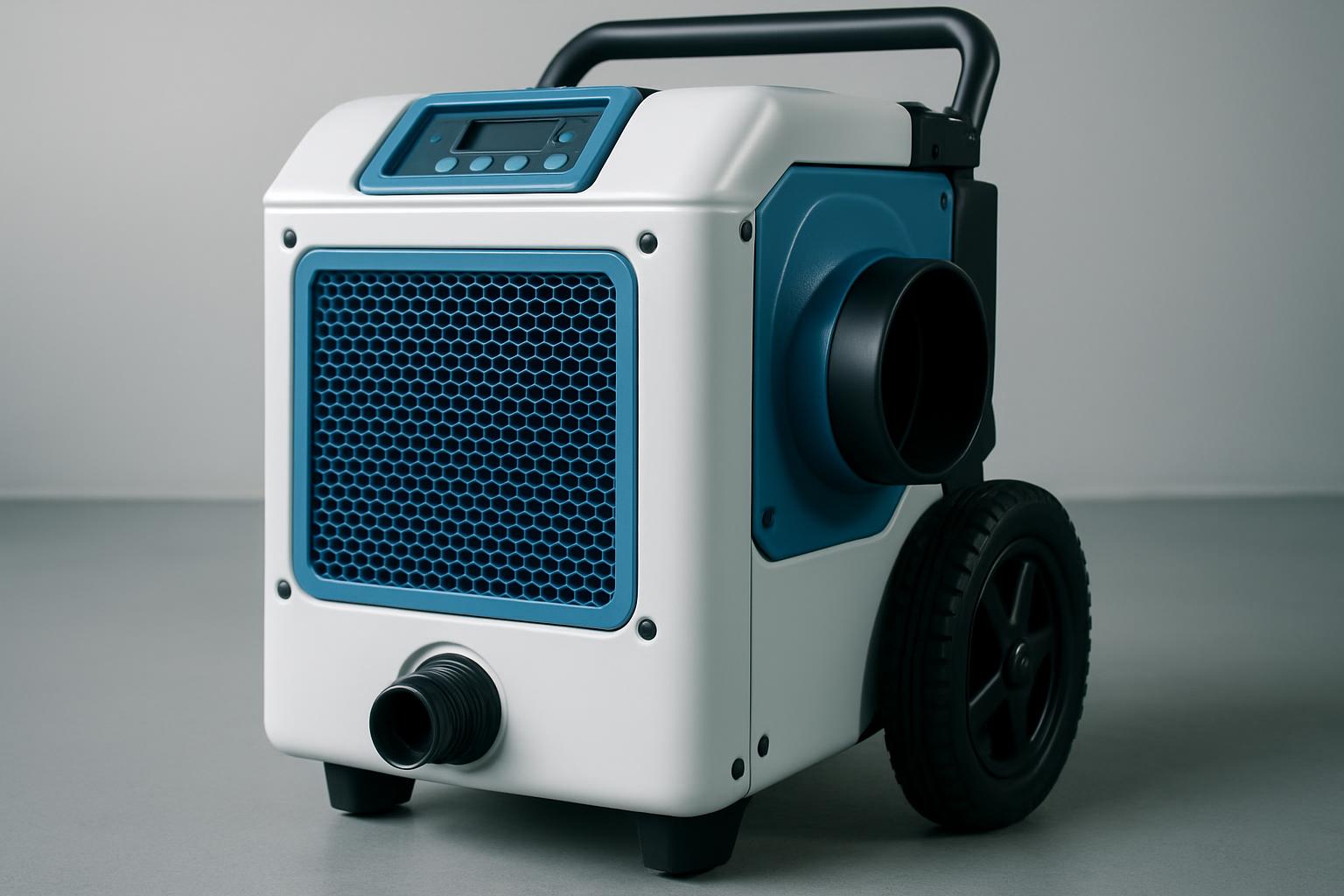
Nozzle Kit covers the consumables that shape gas flow at the cut point and influence kerf condition, dross, and piercing reliability. Daily use often includes checks for orifice damage, centring accuracy, spatter build-up, and matching the nozzle type to steel, stainless, or aluminium jobs.

Lens Pack
Lens Pack focuses on the optics that keep beam quality stable through repeated cutting shifts. Teams usually inspect protective lenses for contamination, watch for heat marks, and replace damaged pieces before cut edges worsen or piercing starts to drift.

Chiller Care
Chiller Care looks at coolant condition, temperature stability, and routine inspection around the laser source and cutting head circuit. South African sites often pay extra attention during hot inland periods, where blocked filters, poor water quality, or weak airflow can upset machine performance.
Fume Kit
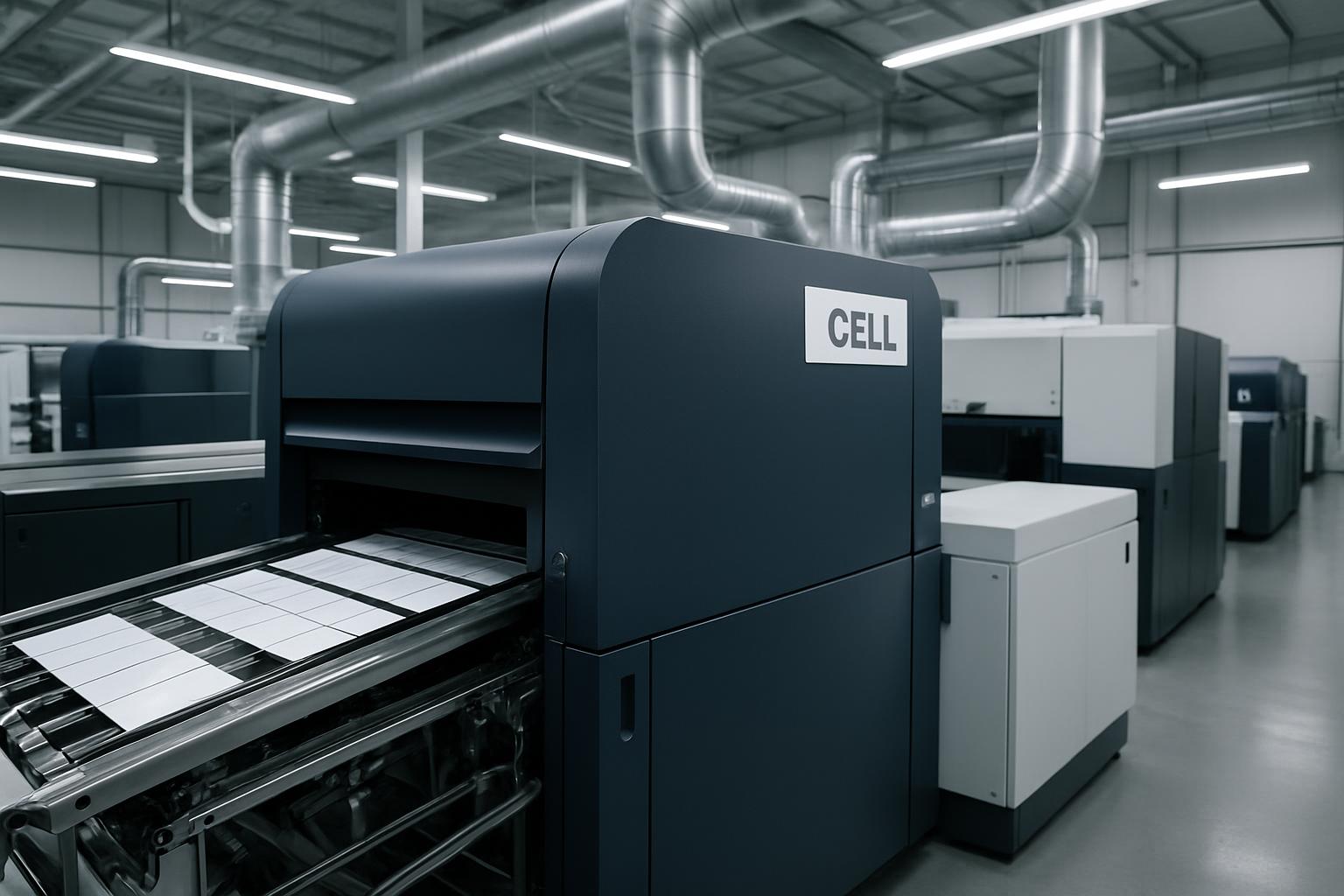
Fume Kit addresses extraction around the cutting area so smoke and fine dust are pulled away from the bed effectively. Filter condition, duct sealing, and extraction balance matter when cutting painted sheet, stainless, or longer nesting runs that keep fumes building through the shift.
Training Day
A practical route for training days on South African factory floors, written for teams already working with sheet metal production.
Service Visit
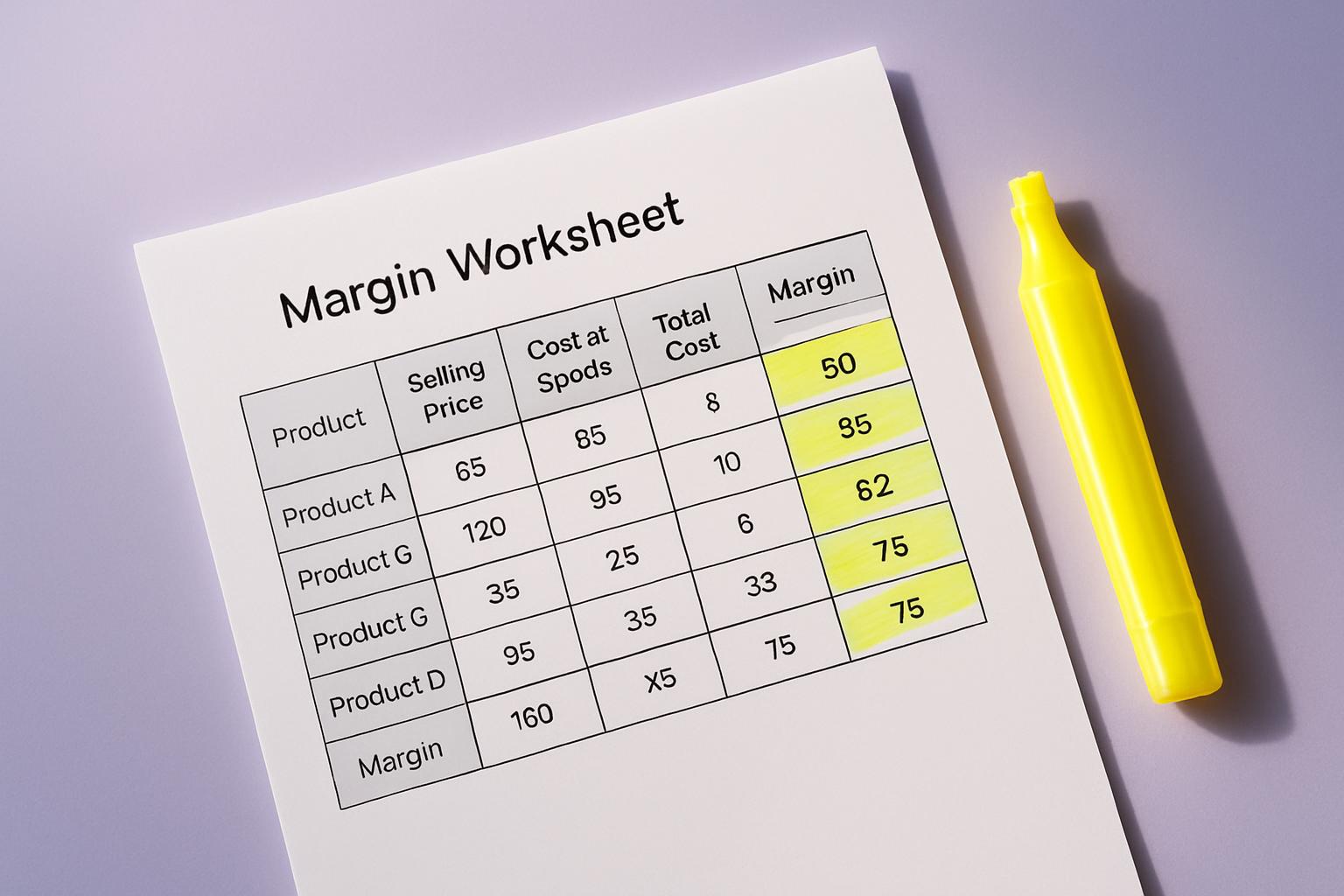
A practical route for service visits on South African factory floors, written for teams who already handle production equipment.

Starter Cell
Starter Cell suits workshops bringing in a first fibre laser station for regular sheet production rather than occasional subcontract work. Planning usually covers material flow, power supply, gas storage, operator setup, and the spare items needed to keep the cell cutting through normal production weeks.

Heavy Plate
Heavy Plate is for thicker material where pierce strategy, heat input, and cut stability need closer control than lighter gauge work. Operators often adjust feed rates, gas pressure, and lead-in position carefully to limit slag, protect consumables, and keep edge quality consistent across longer runs.

Coastal Pack
Coastal Pack deals with the salt, moisture, and corrosion issues that often appear once the machine settles into daily cutting.

Highveld Pack
Highveld Pack deals with the dry dust, altitude, and airflow issues that usually show up after the line starts running steadily.

Night Shift
Night Shift deals with the operator, maintenance, and handover gaps that can surface once after-hours production begins.

Export Week
Export Week deals with the packing, documentation, and dispatch snags that can appear once shipment planning gets tight.
Training Day X
Training Day X tackles the issues that usually surface once the machine is cutting and the first steady runs are done.

Spares Bridge
Spares Bridge deals with the parts gaps and replacement planning issues that often emerge after the first steady production cycle.