
Cutters
Training Day X
Training Day X tackles the issues that usually surface once the machine is cutting and the first steady runs are done.
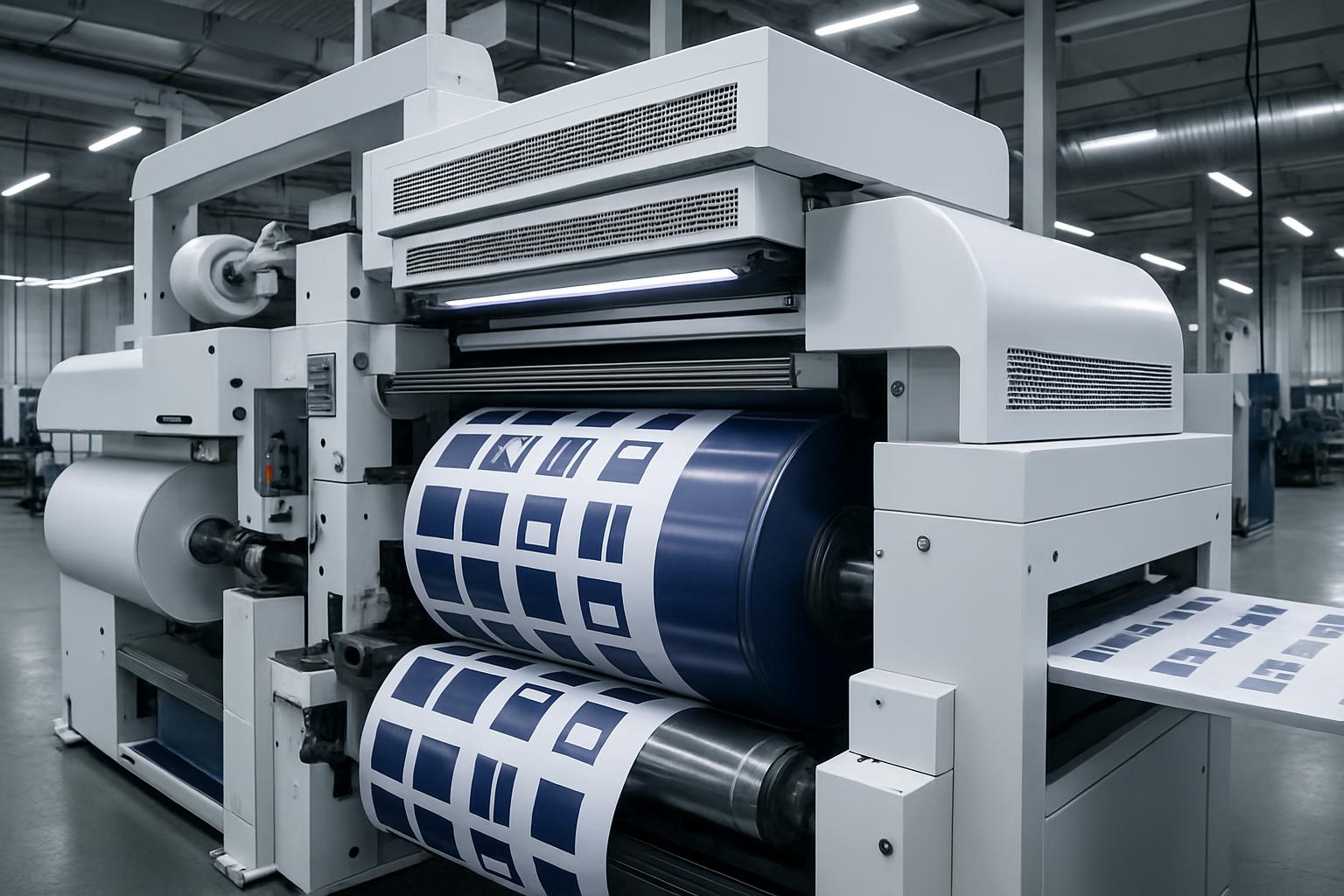
Training after first production runs
Training Day X is for teams that have already started cutting and now need to tighten the process. It deals with the issues that usually show up after the first production runs, from job handling to cleaner, more repeatable output on the floor.
Training Day X focuses on the stage after operator handover, when cut quality starts shifting between shifts or materials. The session looks at sheet loading, nozzle condition, assist gas use, pierce behaviour, and part handling on the machine your team is running. South African site conditions matter here, from inland dust around Gauteng plants to coastal moisture near Durban and Cape Town.
The day usually starts with a live check on current output rather than classroom theory. Teams review edge finish, dross, pierce marks, nesting results, scrap removal, and basic cleaning points so recurring faults are tied to what is happening at the cell. Notes can then be kept with the machine file or maintenance record for the next shift.
Checks your team can repeat
By the end of Training Day X, operators and supervisors should have a tighter routine for first-off inspection, consumable checks, and setup changes between jobs. Attention is given to the settings and habits that affect repeatability on mild steel, stainless steel, and aluminium sheet. The aim is to reduce guesswork once the machine is back in daily production.
Use this session when standard training covered operation, but the plant now needs extra work on consistency, handling, or shift discipline. It suits sites where different operators are cutting the same work and getting different results from the same HSG machine.
- First-off checks for repeatable parts
- Nozzle, lens, and gas review
- Shift handover points worth documenting
Plant issues this day addresses
Training Day X is built for plants that are cutting parts, not unpacking a new machine. Common topics include variation between day and night shifts, mixed material thicknesses, untidy scrap handling, and settings that were changed without being recorded. The session can also help when production staff need clearer checks before calling a service issue.
South African operating conditions can change what the team watches during routine cutting. Coastal air can shorten cleaning intervals around exposed components, while dry inland dust can build up around covers, rails, and sensors. Where load-shedding or generator use affects production, restart checks and first-part inspection need to be more disciplined.
Operated by Astros Marketing (Pty) Ltd from 2 Makro Place, Sunnyrock 1401.
What to prepare beforehand
Use Training Day X when the standard operator session needs extra attention for your plant, material mix, or shift setup.
Have recent sample parts, typical sheet sizes, and a short list of recurring cut issues ready for the session. It helps to note which material grades give trouble, which shift sees the fault most often, and whether the problem shows on corners, holes, or long straight cuts. That information keeps Training Day X centred on production output rather than general discussion.
What our Laser Cutting customers say
Verified Google reviews